
Spruce Up Your Space with These Easy DIY Indoor Plant Ideas
Why DIY Indoor Plants Are the Smartest Way to Green Your Home
DIY indoor plants are one of the easiest and most affordable ways to fill your home with greenery. Here’s a quick overview of the best approaches:
Quickest ways to get started:
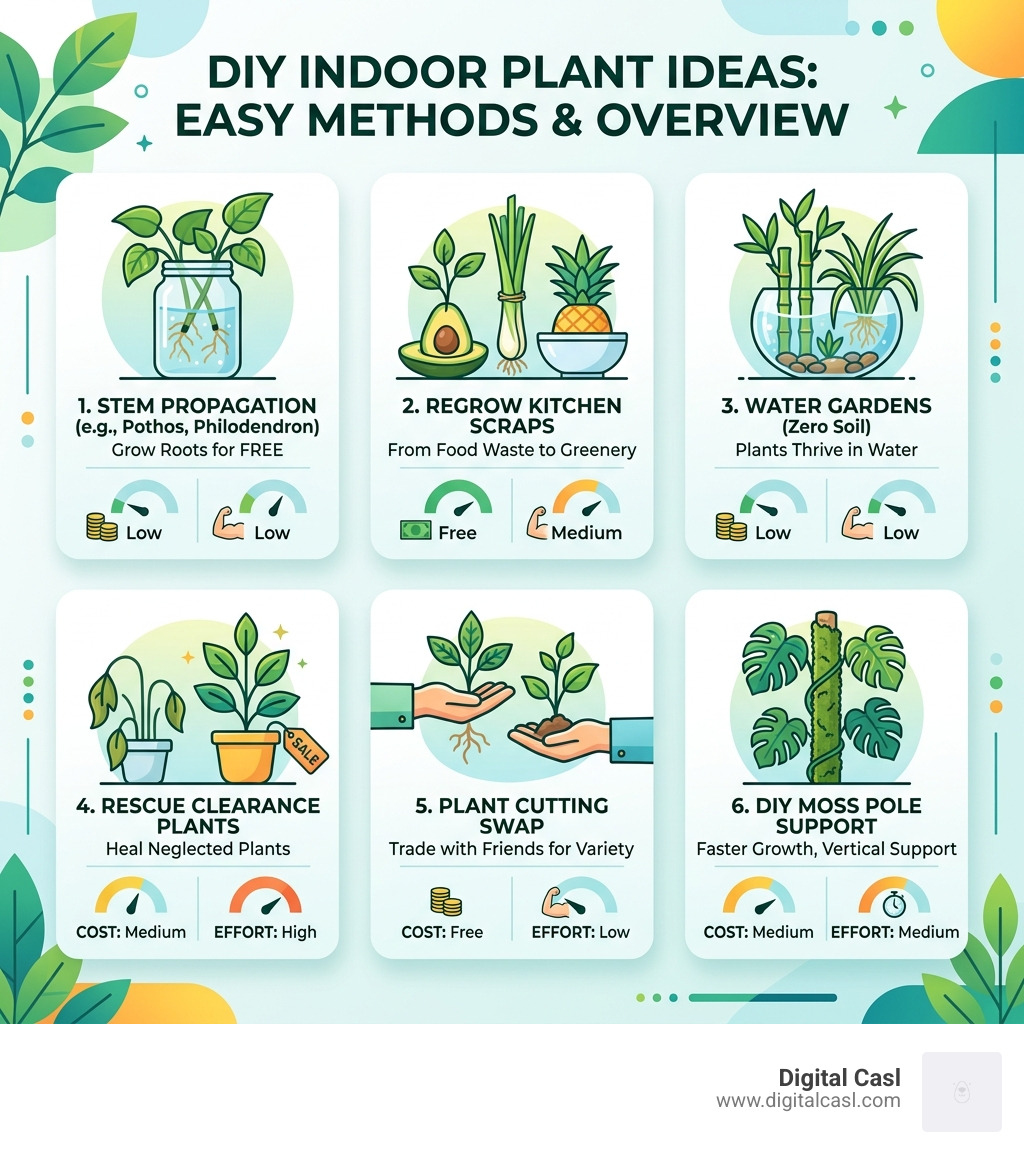
- Propagate cuttings – Take a 3-8 inch stem cutting from a Pothos, Philodendron, or English Ivy, place it in water, and grow roots for free
- Regrow kitchen scraps – Pineapple tops, lemongrass stalks, and avocado pits can all become striking houseplants
- Grow plants in water – Lucky bamboo, spider plants, and Heartleaf Philodendron thrive long-term in jars of water with zero soil
- Buy clearance plants – Neglected plants from greenhouse sales often recover fully with basic care
- Trade cuttings – Swap stems with friends to build variety without spending anything
- Build DIY support systems – A self-watering moss pole can help climbing plants like Monstera grow up to 40% faster
Plants aren’t just decoration. Research shows they can lower stress, improve focus, and help clean indoor air. And yet, most people assume a beautiful plant-filled home requires serious money or expertise.
It doesn’t.
Whether you have a tiny kitchen windowsill or an empty living room corner, there’s a DIY plant solution that fits your space, your schedule, and your budget. Inconsistent watering is the number one reason houseplants die — but with the right setup, even a self-described “semi-negligent plant parent” can keep a thriving indoor garden.
This guide covers everything: propagation, kitchen scrap regrowing, water gardens, moss poles, container arrangements, and the best tall statement plants for instant drama.
Budget-Friendly Ways to Score DIY Indoor Plants
It is now April 2026, and the cost of living hasn’t exactly plummeted. If you want to fill your home with greenery without emptying your wallet, you have to get creative. We’ve found that the most rewarding diy indoor plants are often the ones that cost the least.
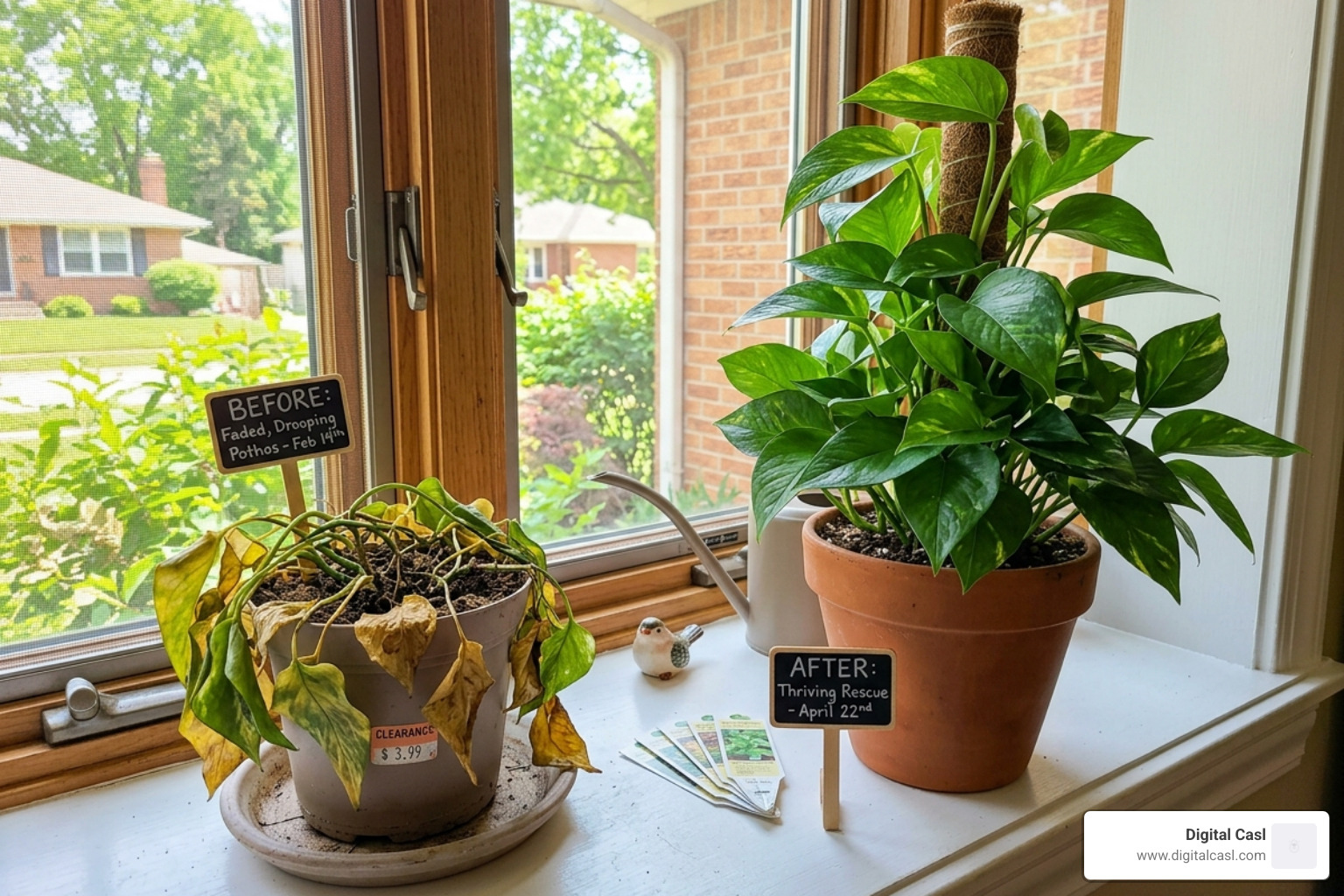
The clearance aisle at your local greenhouse is a goldmine. Look for plants that look a bit sad—maybe they are underwatered or have a few damaged leaves. These are “neglect” cases, not “death” cases. As long as you don’t see signs of root rot (mushy, smelly stems or soil that never dries), a little TLC will bring them back to life.
Community resources are another hidden gem. In 2026, plant trading groups are more active than ever. Trading a cutting of your thriving Pothos for a friend’s Spider Plant baby is the ultimate win-win. Just remember to inspect any new arrival for “uninvited guests” like spider mites or mealybugs before introducing them to your collection.
| Method | Cost | Effort | Time to Result |
|---|---|---|---|
| Seeds | $ | Medium | 4-8 Weeks |
| Cuttings | Free | Low | 2-4 Weeks |
| Clearance | $$ | High | Instant (with recovery) |
Propagating Common Species for DIY Indoor Plants
Propagation is basically a magic trick for plant lovers. You take one plant and turn it into ten. For species like Pothos, English Ivy, and Heartleaf Philodendron, the key is identifying the “node.” This is the little bump on the stem where a leaf meets the vine. Roots grow from nodes, so always ensure your cutting has at least one node submerged in water.
For African Violets, you can actually grow a whole new plant from a single leaf! Simply snip a healthy leaf with the stem attached and tuck it into moist soil or a small jar of water. Within a few weeks, tiny plantlets will appear at the base.
If you find that real trees are a bit too much maintenance for a specific dark corner, you can even try a DIY Faux Potted Tree (for less than $30!) by using a real fallen branch and high-quality artificial silk leaves.
Essential Materials for DIY Indoor Plants
You don’t need a professional laboratory to start your diy indoor plants journey. Most of what we use can be found in your recycling bin or kitchen junk drawer:
- Glass Jars: Old jam or pasta sauce jars are perfect for water propagation.
- Pruning Shears: Or just a very sharp, clean pair of scissors.
- Potting Mix: Look for well-draining mixes; for succulents, add extra sand or perlite.
- Tweezers: Essential for placing tiny seeds or adjusting delicate moss.
- Recycled Containers: Strawberry punnets or grape containers make excellent mini-greenhouses for seed starting.
- PVC Pipes & Sphagnum Moss: The core components for building advanced supports like moss poles.
Propagation and Kitchen Scraps: Growing Your Own Collection
Why throw away your kitchen waste when it could be your next centerpiece? Regrowing scraps is a fantastic STEM activity for kids and a free way to expand your garden.
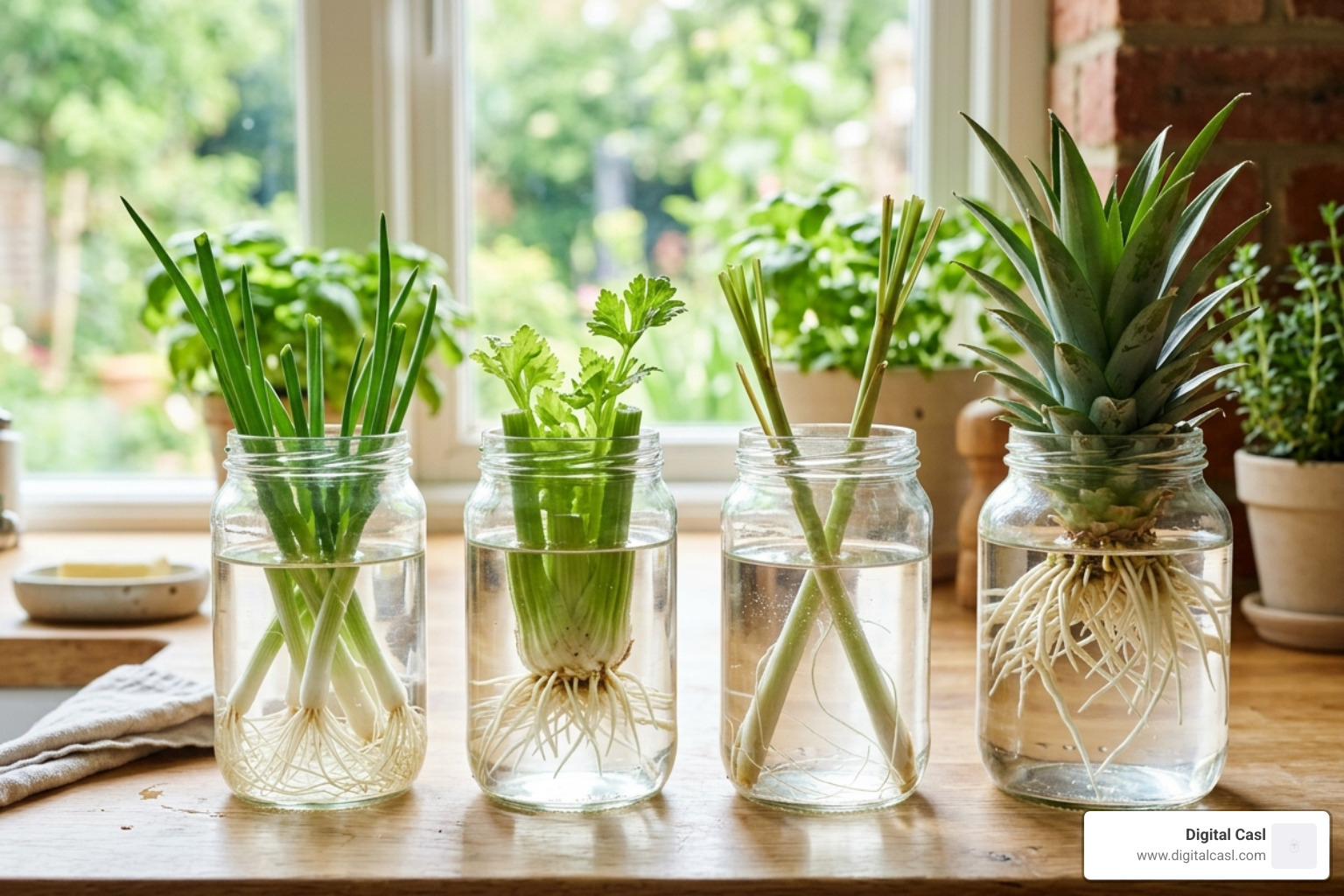
Take the pineapple, for example. If you twist the top off, peel back a few rows of lower leaves, and let it dry for about five days, it will sprout roots in water. Just be patient—it takes about 2 years for a pineapple plant to produce fruit! Lemongrass is much faster; those stalks will show roots in just 10 to 14 days.
Citrus seeds are also fun, though they are a long-term commitment. A lemon tree grown from a seed makes a fragrant, glossy indoor plant, but it may take 7 years or more to actually set fruit. If you want something faster, try passion fruit seeds; they germinate in 2-4 weeks and can become beautiful fruiting vines in just 2 years.
Water-Grown DIY Indoor Plants
If you are a “semi-negligent” plant parent who always forgets to water (or overwaters in a panic), soil-free gardening is your best friend. Many diy indoor plants can live in water indefinitely.
Lucky bamboo is the classic example, but Spider plants, Coleus, and Heartleaf Philodendron also love the “water-only” lifestyle. To succeed, follow the 24-hour rule: let your tap water stand for a full day before using it. This allows the chlorine to dissipate, which prevents the leaf tips from turning brown.
Change the water every week or two if it looks cloudy, and add a few drops of liquid organic fertilizer once a month during the spring and summer to provide the nutrients they would normally get from soil.
Advanced DIY Indoor Plant Projects: Moss Poles and Containers
For those who want to take their diy indoor plants to the next level, it’s time to talk about vertical growth. Climbing plants like Monstera deliciosa or Philodendrons naturally want to scale trees in the rainforest. In our homes, they often just sprawl across the floor.
A self-watering moss pole is a game-changer. By using a PVC pipe with small “weep holes” drilled in a spiral pattern, you create an internal water reservoir. When you wrap this pipe in a mix of 70% sphagnum moss and 30% coconut coir, the moss stays consistently damp. Research shows that supported climbing plants with access to moist moss can grow up to 40% faster and produce much larger leaves.
When installing, ensure the pole is at least 2 inches away from the main stem to avoid damaging the root ball. Secure the vine gently with soft fabric ties until the aerial roots attach themselves.
Creating Stunning Indoor Container Gardens
Sometimes one plant isn’t enough. A container garden allows you to create a miniature landscape. We love the “Triangle Arrangement” for visual impact: place your tallest plant (like a glossy Fatsia) in the back, then fill the middle and front with softer textures like Pothos and Maidenhair ferns.
The Ziplock Bag Trick: Maidenhair ferns are notorious for drying out. To keep them happy in a mixed pot, we recommend tucking their root ball into a small ziplock bag before planting. This keeps their specific soil extra moist without overwatering the other plants in the container.
For watering, try the ice cube method: place two large handfuls of ice cubes on the soil once a week. They melt slowly, allowing the roots to soak up moisture without a sudden flood. Always use the “finger test”—if the soil feels dry an inch down, it’s time to water.
Low-Maintenance Tall Houseplants for Instant Drama
If you have a corner that feels empty, a tall plant is the ultimate “statement piece.” These giants add height and a sense of calm to any room.
The Fiddle Leaf Fig is the darling of interior design, capable of reaching 8-10 feet. While they have a reputation for being divas, they actually just hate drafts and love consistency. Another great option is the Majesty Palm, which can also reach 10 feet and thrives on being slightly neglected.
For those who want something indestructible, the Snake Plant or Dragon Plant (Dracaena) are your go-to choices. They can handle lower light and irregular watering while still reaching heights of 6 feet or more.
Pro Care Tip: Large leaves are dust magnets. Dust them once a month so the plant can “breathe” and photosynthesize efficiently. Also, rotate your tall plants a quarter turn every time you water them; otherwise, they’ll start leaning toward the window like they’re trying to escape!
Essential Care and Troubleshooting for DIY Indoor Plants
Even with the best diy indoor plants setup, issues can arise. The key is catching them early.
- Lighting: Most indoor plants prefer bright, indirect light. If the leaves are turning yellow and falling off, it might be too dark. If they look scorched, they’re getting too much direct sun.
- Pests: Keep an eye out for “the big three”: spider mites (tiny webs), fungus gnats (little flies in the soil), and mealybugs (white cottony spots). Most can be handled with a simple spray of insecticidal soap or a strong stream of water.
- Watering: Root rot is the silent killer. If your plant is drooping but the soil is wet, stop watering immediately! Let it dry out completely before the next drink.
- Soil Health: Soil tends to “sink” over time. Plan to top up your pots with fresh soil once a year to keep the nutrient levels stable.
Frequently Asked Questions about DIY Indoor Plants
What are the easiest plants to grow from kitchen scraps?
Lemongrass and green onions are the “instant gratification” kings of the kitchen scrap world, usually showing growth within days. Sweet potato vines are also incredibly easy and produce beautiful, trailing purple or green foliage that looks stunning in a hanging basket.
How do I build a self-watering system for my climbing plants?
The most effective DIY system involves a PVC pipe with small holes drilled into it, capped at the bottom, and filled with water. Wrapped in sphagnum moss, this acts as a slow-release reservoir that keeps the moss damp for 1-2 weeks at a time, allowing aerial roots to stay hydrated without constant misting.
How can I get free or cheap indoor plants in 2026?
Propagating from friends’ plants is the best way to get freebies. Additionally, keep an eye on local “Buy Nothing” groups or community plant swaps. Many people give away large plants when they move house because they are too difficult to transport!
Conclusion
At Digital Casl, we believe that everyone deserves a touch of nature in their home. Our mission is to provide low-maintenance green solutions that deliver high-maintenance joy. Whether you are starting with a single Pothos cutting or building a massive vertical living wall, the journey of diy indoor plants is one of the most rewarding hobbies you can take up.
By recycling materials, regrowing scraps, and learning the simple art of propagation, you aren’t just decorating—you’re participating in a sustainable, life-affirming practice. So, grab a jar, find a sunny windowsill, and let’s get growing!
